Player Segmentation Techniques Driving Differentiated Promotional Strategies in Licensed Online Sportsbooks
Sage Frank · Jun 7, 2026
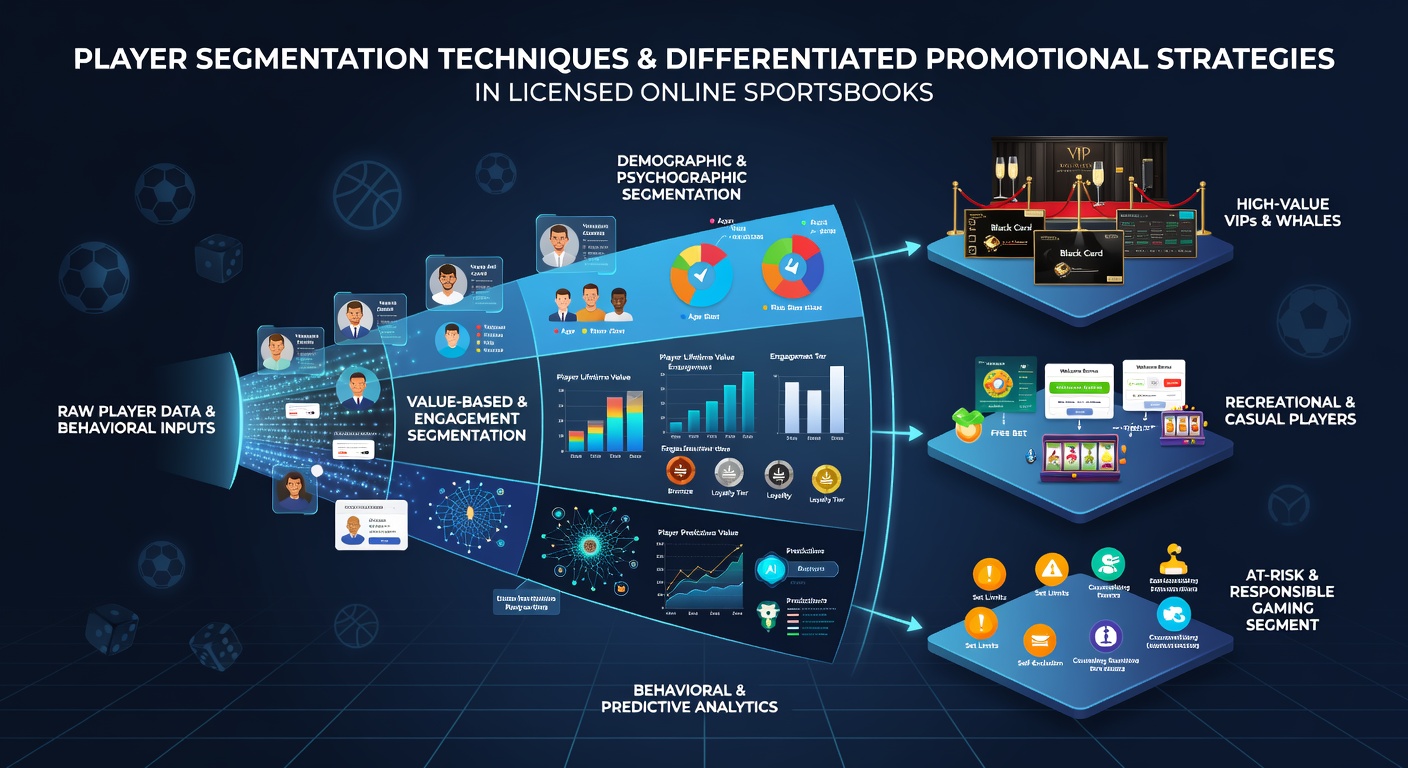
Player Segmentation Techniques Driving Differentiated Promotional Strategies in Licensed Online Sportsbooks
Player segmentation has become a core operational practice across licensed online sportsbooks, where operators divide user bases into distinct groups according to measurable behavioral patterns, deposit frequency, and engagement levels; this approach allows platforms to match specific promotional offers with the characteristics of each group rather than applying uniform incentives across all accounts. Data from regulatory filings and platform analytics show that segmentation models rely on variables such as average bet size, session duration, sport preferences, and historical response rates to bonus offers, creating clusters that range from high-volume recreational users to infrequent but high-stakes participants.
Core Segmentation Methods in Licensed Markets
Operators apply several established analytical frameworks to categorize players, starting with recency-frequency-monetary value calculations that rank accounts by how recently a user placed bets, how often they return, and the total amount wagered over defined periods. Additional layers incorporate predictive modeling that forecasts future activity based on early deposit patterns and withdrawal behavior, while demographic overlays add age brackets, geographic location within permitted jurisdictions, and preferred device types without relying on personally identifiable information beyond what licensing rules allow. Research conducted by academic institutions and industry analytics firms indicates these combined methods improve the precision of offer distribution, reducing instances where low-engagement users receive incentives designed for frequent bettors.
Behavioral segmentation further refines these categories by tracking in-app actions such as use of bet builders, participation in live betting markets, or selection of specific leagues, enabling platforms to isolate groups that respond differently to time-limited promotions versus ongoing loyalty structures. In practice, one major operator serving multiple U.S. states documented shifts in user cohorts after implementing real-time updates to segment assignments, adjusting thresholds quarterly to reflect changes in market conditions and regulatory reporting requirements.
How Segmentation Shapes Targeted Promotions
Once segments are defined, promotional teams design differentiated offers that align with observed spending and interaction profiles, for instance routing reload bonuses with lower wagering requirements to segments showing moderate deposit consistency while reserving higher-percentage match offers for groups with larger average transaction sizes. Cashback structures often vary by tier, applying graduated refund percentages that increase for users whose recent activity meets predefined volume metrics, a method documented in operational reports from platforms operating under state gaming commissions. Operators also deploy event-specific incentives, such as enhanced odds or free bet credits, exclusively to segments that have demonstrated prior interest in similar events through clickstream data.
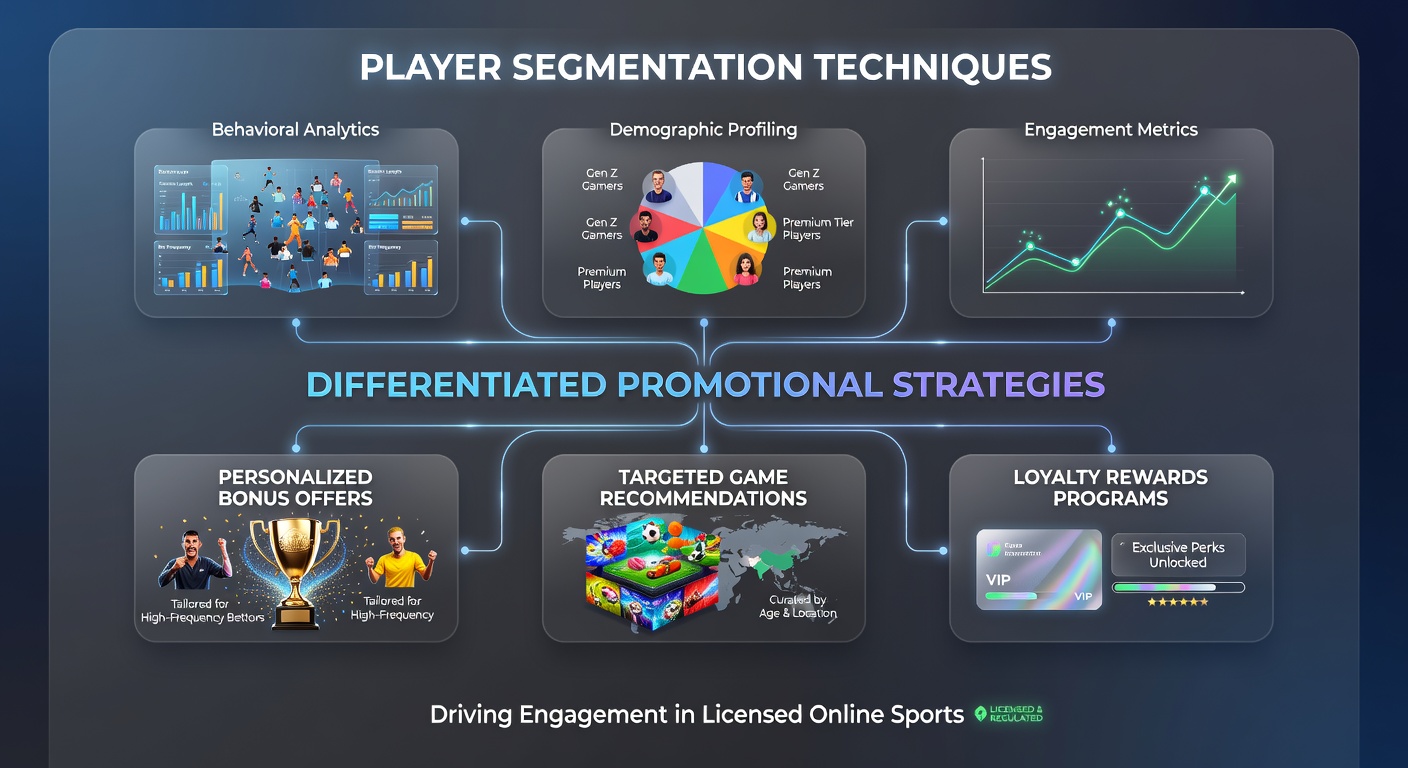
What's notable is the integration of machine learning algorithms that continuously recalibrate segment boundaries and promotional eligibility, allowing adjustments within days rather than weeks when new regulatory caps on bonus values take effect. Figures released by the American Gaming Association in early 2026 highlight increased adoption of these adaptive systems among operators in states that expanded legal sports betting during the preceding year, correlating with more granular reporting on promotional spend per segment. Canadian provincial regulators have similarly required detailed breakdowns of incentive allocation by player category in annual compliance submissions, underscoring the role of segmentation in meeting transparency obligations.
Regulatory Context and June 2026 Developments
Licensed sportsbooks must maintain audit trails that document how segmentation criteria influence promotional decisions, ensuring offers do not inadvertently target restricted player groups or exceed jurisdictional limits on bonus structures. As of June 2026, several U.S. state regulators have begun requesting supplemental data on segment-level response rates to verify that promotional strategies remain consistent with responsible gaming standards embedded in licensing agreements. European operators licensed under frameworks outside the United Kingdom have incorporated similar segmentation audits into their compliance routines, aligning with cross-border data protection rules that govern how behavioral profiles are stored and applied.
Industry reports from research organizations such as the National Council on Problem Gambling note that segmentation enables more precise delivery of responsible gaming tools, including deposit limit prompts and self-exclusion reminders, directed toward cohorts showing elevated risk indicators derived from play patterns. These applications demonstrate how the same analytical infrastructure used for promotions also supports regulatory-mandated harm minimization efforts without creating separate data pipelines.
Conclusion
Player segmentation techniques continue to evolve alongside advances in data processing and regulatory expectations, providing licensed online sportsbooks with structured methods to allocate promotional resources according to documented user characteristics and activity histories. The resulting differentiated strategies reflect measurable differences across player groups, supporting both commercial objectives and compliance requirements in jurisdictions where online sports betting operates under formal oversight. As platforms refine these models through ongoing data collection and validation, the connection between segmentation accuracy and promotional effectiveness remains a central focus of operational planning in the sector.