Mapping Player Retention Through Adaptive Reward Systems in Regulated Betting Environments
Sage Frank · Jun 5, 2026
Mapping Player Retention Through Adaptive Reward Systems in Regulated Betting Environments
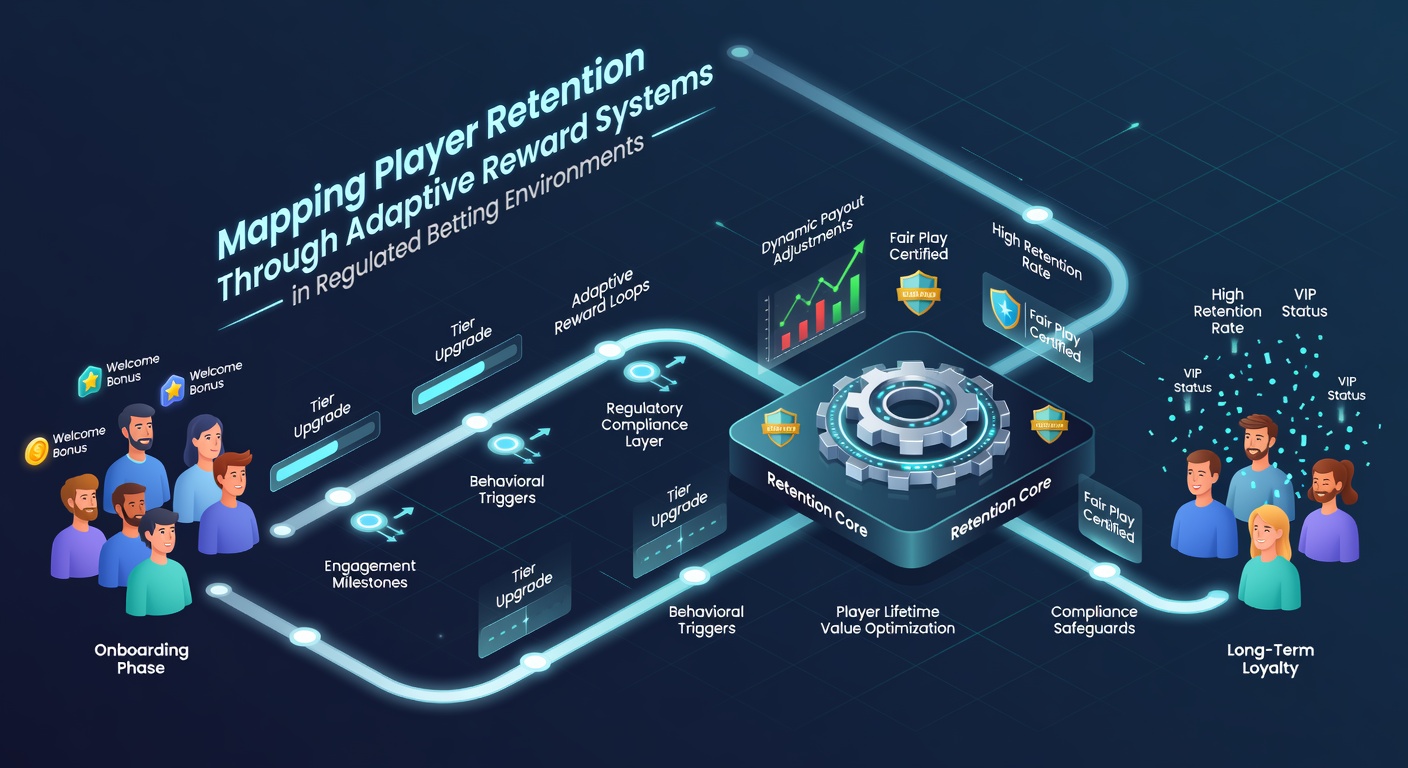
Regulated betting operators deploy adaptive reward systems that adjust incentives in real time based on individual player data while staying within strict compliance frameworks across multiple jurisdictions. These platforms collect behavioral metrics such as wager frequency, session duration, and deposit patterns, then recalibrate bonus structures, cashback percentages, and loyalty tiers accordingly. As of June 2026, several U.S. states and European markets require operators to log every adjustment and demonstrate that rewards do not encourage excessive play.
Data Collection and Personalization Mechanics
Operators integrate player tracking software with regulatory reporting tools so that every reward modification generates an auditable trail. Machine learning models segment users into cohorts, then assign dynamic multipliers to deposit matches or free bet credits. One cohort might receive escalating cashback after consecutive losses capped at a regulator-approved percentage, whereas another sees loyalty points that unlock merchandise or event access instead of additional wagering credits. Researchers have observed that these segmented approaches reduce voluntary churn rates when compared with static bonus programs that apply identical offers to all accounts.
Regulatory Compliance Across Jurisdictions
State gaming boards mandate that adaptive systems include responsible gambling controls such as automatic session reminders and loss-limit prompts that cannot be overridden by reward algorithms. The Nevada Gaming Control Board requires monthly submission of algorithm change logs, while Australia's state regulators demand independent audits of personalization engines to confirm they exclude minors and self-excluded players from targeted offers. These rules create a shared infrastructure where reward mapping tools must interface directly with exclusion databases and age-verification services.
Retention Mapping Techniques
Retention analysts construct heat maps that overlay reward activation events against player return intervals, revealing which incentive types correlate with sustained activity over 30-, 60-, and 90-day windows. Platforms track lift in average revenue per user after introducing tiered loyalty accelerators that adapt based on predicted lifetime value scores. Data from industry reports indicate that operators who refresh reward parameters weekly rather than monthly achieve steadier retention curves, particularly in competitive markets where multiple licensed apps operate side by side.
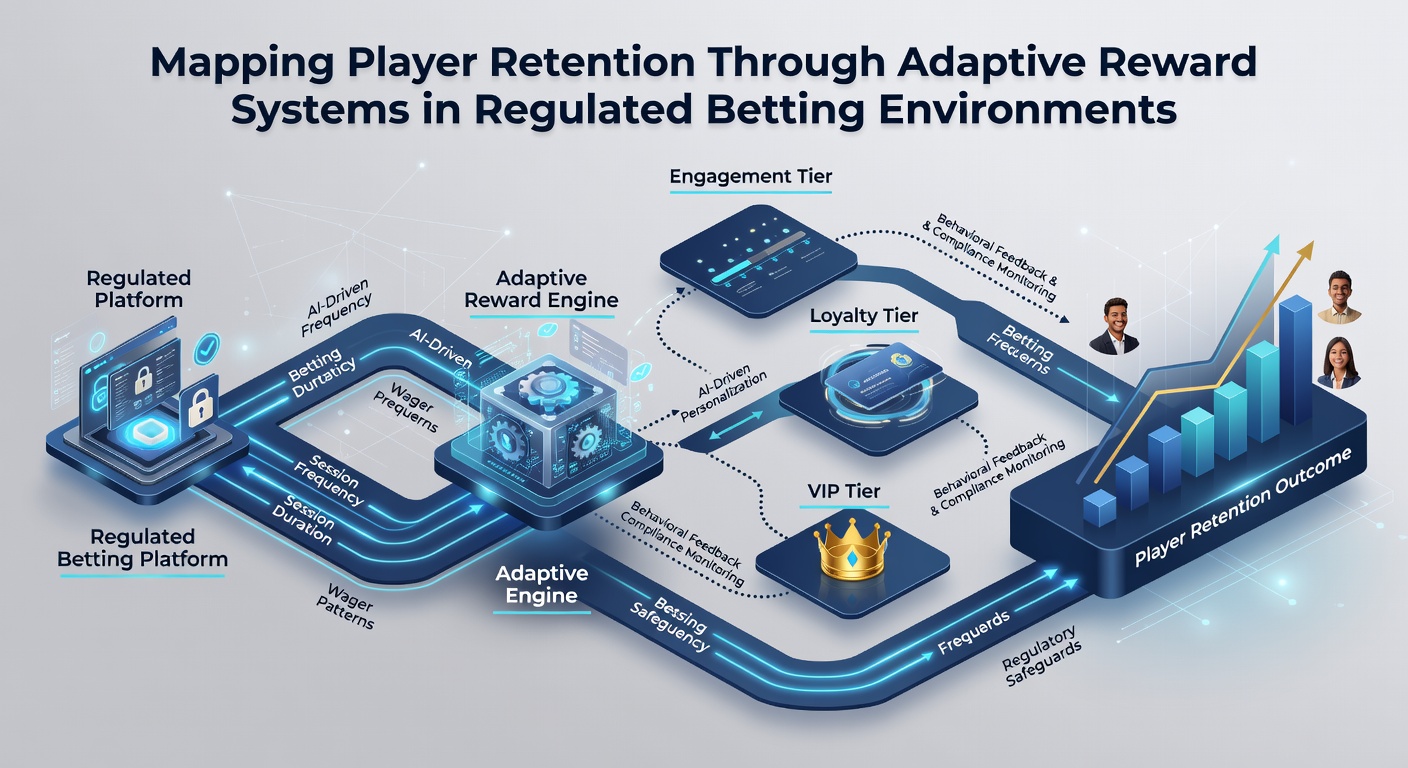
Case studies from multi-state operators show that linking reward adjustments to external factors such as major sporting events produces measurable spikes in return visits. The system might increase point multipliers during championship weekends for users whose historical data shows engagement drops outside peak periods. Analysts then compare pre- and post-adjustment retention cohorts to refine future parameter sets without violating advertising or bonus disclosure statutes.
Integration with Responsible Gambling Frameworks
Adaptive platforms embed reality-check messages and deposit-limit suggestions that scale according to the same behavioral signals used for reward calculation. When a player's risk indicators rise, the system automatically reduces promotional intensity rather than increasing it. European operators licensed under the Malta Gaming Authority must demonstrate through third-party testing that reward algorithms do not target individuals who have triggered harm-minimization tools. This dual-purpose architecture satisfies both retention goals and regulatory obligations in a single data pipeline.
Technical Infrastructure and Audit Trails
Cloud-based decision engines process thousands of player events per second, applying rule sets that regulators can review through read-only dashboards. Each change to a reward parameter carries a timestamp, version identifier, and justification code that links back to compliance policies. Operators in New Jersey and Pennsylvania share common software vendors that pre-certify these engines against Interstate Compact standards, reducing redundant testing while maintaining jurisdiction-specific thresholds for maximum bonus values and wagering requirements.
Future Developments in Regulated Markets
Industry groups anticipate expanded use of federated learning models that allow operators to improve retention predictions without pooling raw player data across company boundaries. Academic research institutions continue to publish frameworks for measuring long-term player value under adaptive systems, providing regulators with standardized metrics. As licensing expands into additional states through 2026, the mapping of reward pathways to retention outcomes becomes a required component of renewal applications.
Conclusion
Adaptive reward systems in regulated betting environments rely on continuous data mapping to balance player retention objectives with mandatory compliance requirements. Operators document every algorithmic adjustment, integrate harm-minimization triggers, and submit performance metrics to oversight bodies. These practices produce auditable records that demonstrate how personalized incentives influence return behavior while remaining within legal boundaries across U.S. and international markets.