Investigating Algorithmic Personalization Techniques for Distributing Incentives Across Digital Gambling Networks
Finley Schmid · Aug 5, 2026
Investigating Algorithmic Personalization Techniques for Distributing Incentives Across Digital Gambling Networks
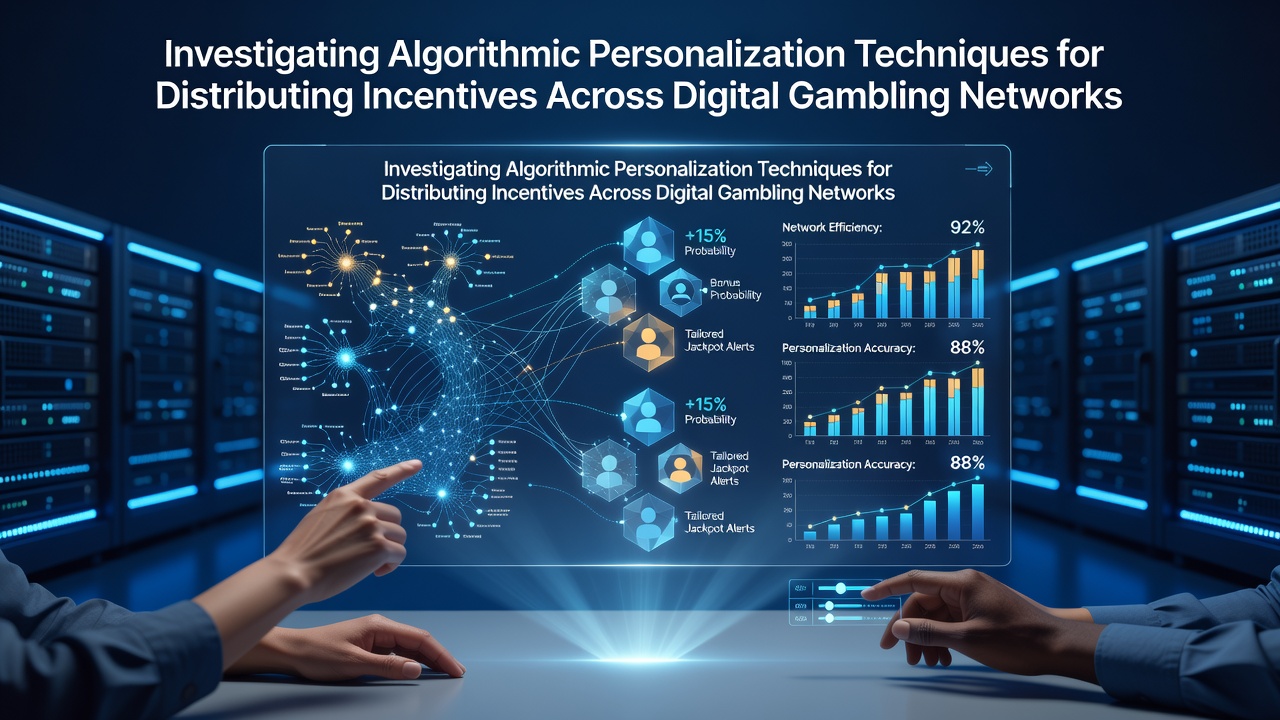
Algorithmic personalization has become central to how digital gambling networks allocate incentives such as deposit matches, free bets, and cashback offers, with platforms relying on machine learning models that analyze player behavior patterns in real time. These systems process vast datasets including betting frequency, wager sizes, session durations, and response rates to previous promotions, then adjust incentive structures accordingly across user segments. Researchers have documented steady growth in the adoption of these techniques since 2023, particularly as operators seek to optimize retention amid expanding markets in multiple jurisdictions.
Data Inputs and Model Architectures
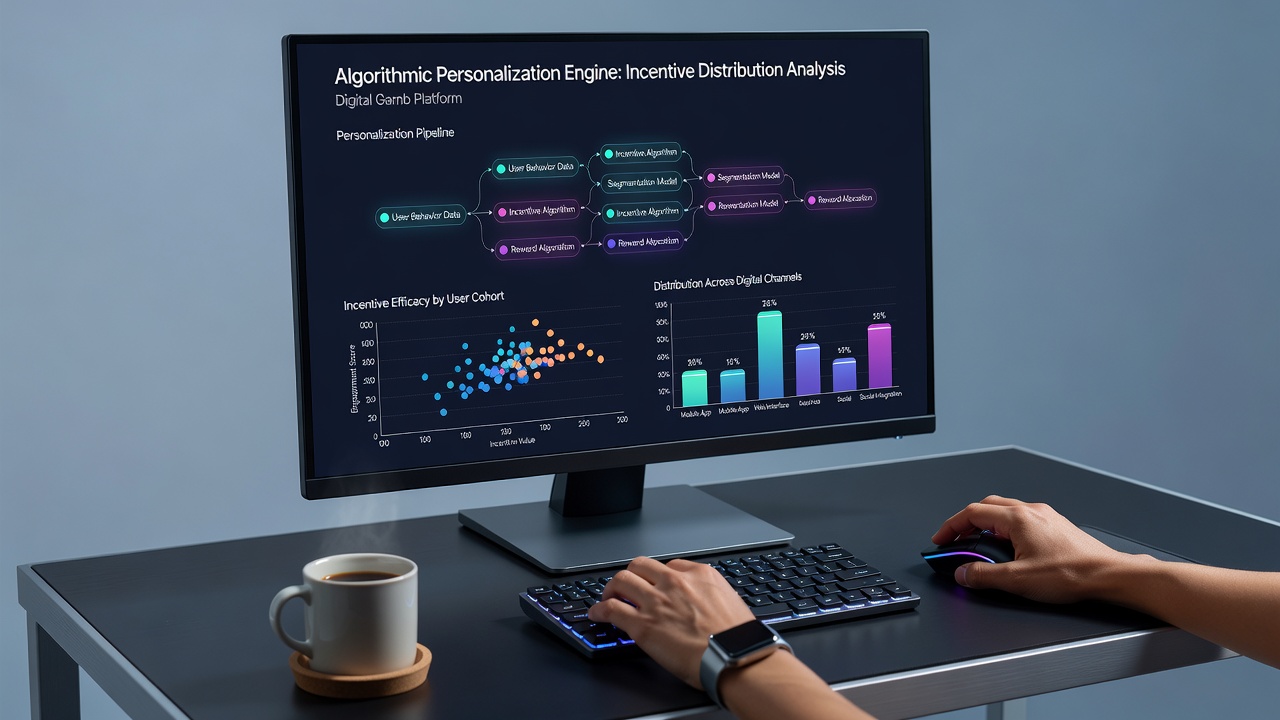
Platforms gather information from login histories, device types, payment methods, and even in-app navigation paths to build detailed user profiles that feed into recommendation engines, while clustering algorithms group players by predicted lifetime value or churn risk. Studies from academic institutions show that supervised learning models often incorporate features like average bet variance and game category preferences, allowing the system to predict which incentive type might elicit the highest engagement from a given account. In August 2026 several networks updated their models to include additional signals from live betting activity and multi-sport participation, reflecting broader data availability after regulatory expansions in thirty-nine states plus Washington D.C.
Distribution Logic Across User Tiers
Once profiles are established, decision trees and reinforcement learning agents determine the exact parameters of each offer, scaling bonus percentages or cashback rates based on calculated response probabilities rather than fixed schedules. Observers note that high-value segments frequently receive tiered reload structures delivered through push notifications timed to individual deposit patterns, whereas lower-activity users encounter smaller, more frequent free bet credits designed to restart engagement cycles. These automated decisions operate continuously, with A/B testing frameworks running in parallel to refine allocation rules without manual intervention from marketing teams.
Integration with Regulatory Reporting Requirements
Operators must log every personalized incentive for compliance audits, and several regulatory bodies now require disclosure of the algorithmic criteria used to select recipients. Data from the Alcohol and Gaming Commission of Ontario indicates that reporting templates introduced in early 2025 captured over 12 million individualized promotions across licensed platforms in the first half of 2026 alone. Similar frameworks in Australia require operators to demonstrate that personalization does not target vulnerable cohorts, prompting some networks to implement fairness constraints within their models that cap offer intensity for accounts showing rapid loss patterns.
Technical Challenges and Optimization Methods
Latency requirements demand that personalization engines deliver offers within milliseconds of a triggering event such as a deposit or loss threshold, leading developers to deploy edge-computing nodes that cache simplified model versions closer to end users. Accuracy remains an ongoing focus because over-personalization can reduce perceived value while under-personalization wastes promotional budgets, and research published by the University of Nevada, Las Vegas gaming laboratory has examined hybrid approaches that combine rule-based guardrails with neural network predictions. Platforms also contend with data privacy regulations that limit cross-device tracking, forcing reliance on first-party identifiers and consent-based signals that reduce model granularity in certain regions.
Impact on Player Behavior Metrics
Industry reports compiled by the American Gaming Association track correlations between personalized incentive campaigns and metrics such as average revenue per user and session length, with several operators reporting measurable lifts after deploying dynamic cashback schedules. These schedules adjust refund percentages weekly according to individual loss ratios, creating feedback loops that the algorithms continuously recalibrate. Figures released in mid-2026 showed that networks using advanced personalization achieved higher retention among mid-tier players compared with static bonus structures, though the exact magnitude varied by market maturity and product mix.
Future Developments in Algorithmic Incentive Systems
Emerging techniques include federated learning setups that allow multiple operators to train shared models without exchanging raw player data, addressing both competitive concerns and regulatory scrutiny around data sharing. Additional work focuses on explainability modules that can generate human-readable justifications for why a particular user received a given offer, satisfying audit requirements while maintaining competitive advantage. As prediction markets gain traction alongside traditional sportsbooks, some networks have begun testing personalization layers that incorporate implied probabilities from those markets to time incentive delivery more precisely around high-interest events.
Conclusion
Algorithmic personalization techniques continue to shape incentive distribution across digital gambling networks through iterative model improvements and tighter integration with compliance systems, while data collection practices evolve in response to both technological capabilities and regulatory mandates. Observers tracking developments through August 2026 report ongoing experimentation with fairness constraints adn cross-platform coordination methods that may further refine how incentives reach individual accounts. These systems remain subject to oversight from multiple jurisdictions seeking to balance operator efficiency with consumer protection standards.