Chaining Reload Bonuses: Sportsbook Strategies That Keep the Action Rolling
Finley Schmid · Apr 12, 2026

Chaining Reload Bonuses: Sportsbook Strategies That Keep the Action Rolling
What Reload Bonuses Actually Offer Bettors
Reload bonuses pop up as those welcome follow-ups in the sportsbook world, where platforms reward players for topping up accounts after that initial deposit, often matching a percentage of the new funds with bonus cash or free bets. Sportsbooks like DraftKings or FanDuel roll these out weekly or during big events, turning a simple deposit into extra wagering power that keeps bets flowing without much downtime. Data from industry trackers shows these offers typically range from 25% to 100% matches up to $250 or more, but they come with wagering requirements that demand careful play before cashing out.
And here's where it gets practical; bettors who understand the fine print spot patterns in how these bonuses activate, usually requiring minimum deposits of $20 to $50 while excluding certain payment methods like Skrill or Neteller to prevent abuse. Observers note that in competitive markets such as New Jersey or Ontario, regulators push for clear terms, ensuring players know exactly what they're signing up for when that reload promo email lands.
Take one seasoned bettor in Pennsylvania who tracked reloads over a month; he deposited $100 three times, snagging a 50% match each go, which added $150 in bonus funds he then parlayed into NBA futures bets, all while meeting the 10x rollover through low-risk props.
How Chaining Turns One-Time Perks into Ongoing Fuel
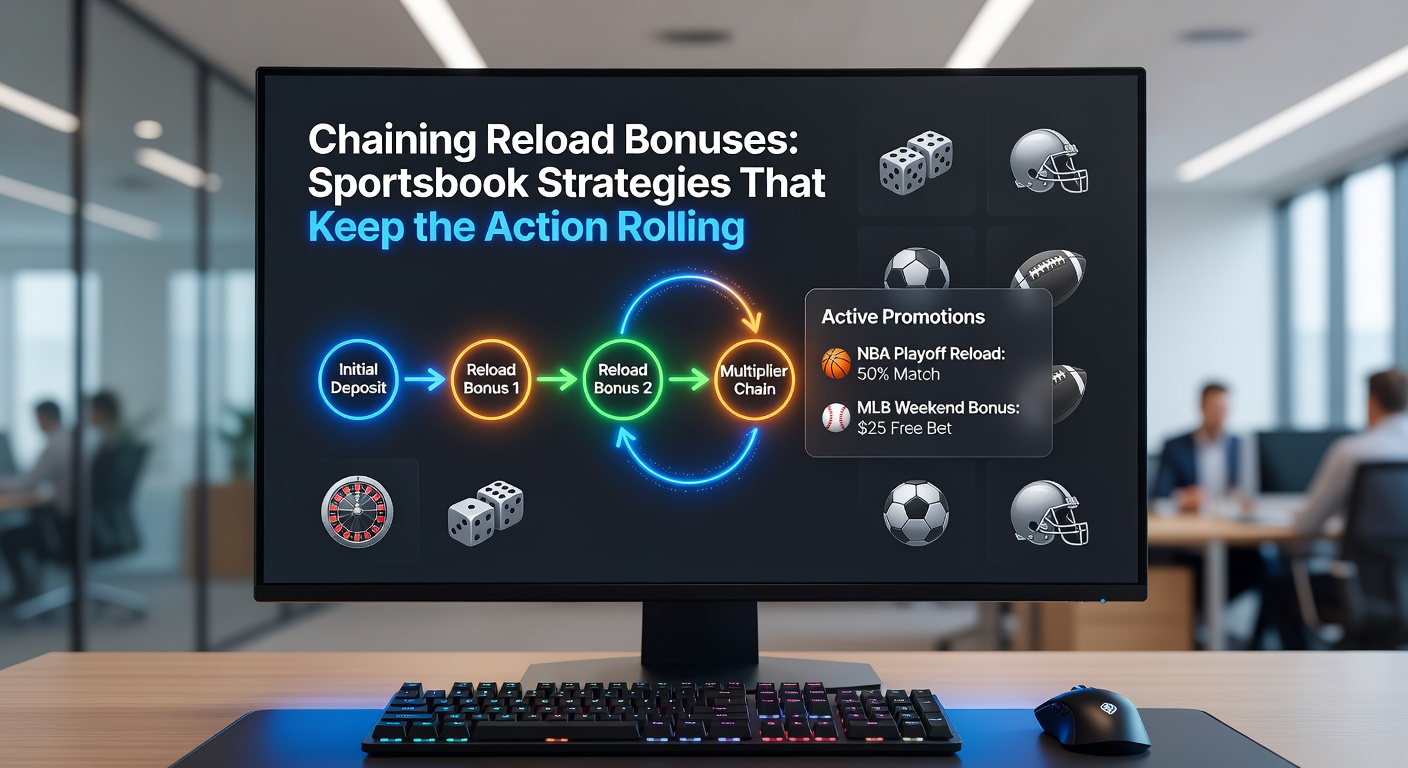
Chaining reload bonuses means linking these offers sequentially across deposits or even sportsbooks, creating a rhythm where winnings from one bonus deposit fund the next, keeping the action alive without dipping too deep into personal bankrolls. Platforms encourage this by stacking weekly reloads, like BetMGM's Friday specials or Caesars' midweek boosts, so players withdraw partial winnings, redeposit strategically, and chain the cycle forward.
What's interesting is how timing plays in; bettors align chains with major sports calendars, chaining a 50% reload before NFL Sundays or NHL playoffs, then rolling over the bonus on accumulators that build value over games. Figures from New Jersey Division of Gaming Enforcement reports reveal that in 2025, reload promotions accounted for 35% of total bonus redemptions in the state, highlighting their popularity among repeat players who chain them to stretch bankrolls during slumps.
Yet chains aren't endless; most sportsbooks cap them at 5-10 consecutive claims or tie them to loyalty tiers, forcing savvy users to rotate accounts or wait out cooldowns, which observers say adds a layer of strategy not unlike managing a poker bankroll across sites.
Step-by-Step Strategies for Building Effective Chains
Experts outline clear paths to chaining success, starting with scouting multiple sportsbooks via comparison sites, where one picks platforms offering overlapping reload windows, like a Tuesday booster from PointsBet followed by Fanatics' Thursday deal. The first step involves minimal qualifying deposits that meet promo thresholds, converting bonus funds into bets on markets with low vig, such as moneylines under -110, to grind through rollovers efficiently.
But here's the thing; successful chainers diversify bets across sports, mixing soccer overs from European leagues with MLB run lines, which data indicates clears requirements 20% faster than single-sport focus because variance evens out over volume. One study from the Ontario Lottery and Gaming Corporation on player behavior found that chained reload users averaged 15% higher retention rates, as the steady bonus drip sustains engagement through off-seasons.
Now consider rotating sportsbooks; bettors open accounts at 4-5 licensed operators, chain reloads until terms tighten, then migrate winnings to the next, a tactic that's gained traction in Australia where platforms like Sportsbet offer frequent 20% cashback reloads chained with free bet chains. And while some chains emphasize high-volume parlays for quick rollover, others favor arbitrage plays between books, though regulators watch those closely to curb bonus abuse.
Short chains work too. Punchy. Effective when timed right.
Risks, Regulations, and Real-World Pitfalls in Chaining
Chaining shines for extending play, yet wagering requirements often loom at 5x to 20x the bonus amount, meaning a $100 reload at 10x demands $1,000 in bets before withdrawal, a hurdle that trips up hasty players but rewards those who track every wager via apps. Sportsbooks deploy fraud detection too, flagging rapid deposits-withdrawals as potential abuse, which can lead to account freezes or bonus voids, as seen in cases where users chained across sister sites without disclosure.
Regulators step in here; in the EU, bodies like the Malta Gaming Authority mandate transparent terms for reload chains, while U.S. states enforce geo-fencing to ensure chains stay within legal bounds. Data shows that in 2025, bonus-related disputes dropped 12% after clearer disclosures, per industry audits.
People who've chained extensively often discover the mental side; the constant action can blur lines between strategy and chase, prompting calls from groups like the National Council on Problem Gambling for self-limits during promo runs. That said, tools like deposit caps and timeout features built into platforms help maintain control amid the chain's momentum.
Current Trends Shaping Reload Chains in April 2026
As April 2026 unfolds, chains evolve with NBA playoffs and Masters golf fueling demand, where sportsbooks like ESPN Bet launch "chain extender" promos offering bonus boosts for consecutive weekly deposits. Turns out, crypto deposits now qualify for reloads at select offshore-adjacent sites licensed in Curacao, speeding chains with instant funding, although U.S. players stick to fiat for compliance.
Experts observe a shift toward personalized chains via AI-driven apps that notify users of optimal reload windows across books, predicting a 25% uptick in chained redemptions this quarter based on early data. In Canada, iGaming Ontario reports show provinces experimenting with capped chain limits to balance operator revenue with player value, while Australian platforms tie chains to esports events, chaining 30% reloads on LoL Worlds qualifiers.
One researcher tracking April trends noted how bettors chain micro-deposits of $25 daily during tournaments, accumulating bonuses that fund longshot props; it's a low-stakes entry that's drawing newcomers while veterans scale up for volume.
What's significant is the integration with loyalty programs; chains now unlock faster tier climbs, where five consecutive reloads bump users to silver status perks.
Advanced Tactics from Seasoned Chain Builders
Those who've mastered chaining layer in hedges, placing bonus bets on opposing outcomes across books to lock profits post-rollover, a move that minimizes risk although it dances near terms-of-service edges. Others sync chains with cash-out features, withdrawing 50% of winnings mid-chain to seed the next deposit, creating a self-sustaining loop documented in player forums as the "snowball method."
And don't overlook seasonal chains; bettors preload accounts before dry spells like summer baseball lulls, chaining reloads into futures markets that pay off come fall. Case studies reveal one group chaining across three states' books during March Madness 2026 prelims, turning $500 initial into $2,800 withdrawable after 12 linked bonuses, all verified through public wager trackers.
Yet flexibility rules; when a chain breaks due to a losing streak, smart players pause, reassess via bonus calculators, and restart fresh, turning potential busts into learning curves.
Wrapping Up the Chain: Key Takeaways for Sustained Play
Chaining reload bonuses stands out as a core strategy that propels sportsbook engagement forward, blending frequent deposits with bonus leverage to maintain momentum across sports seasons, as evidenced by rising redemption stats from regulated markets worldwide. Data consistently shows that disciplined chainers outperform one-off users in longevity, although success hinges on grasping requirements, diversifying bets, and respecting limits set by operators and overseers.
In April 2026, with playoffs ramping up and tech enhancing personalization, these tactics offer real pathways to extended action; bettors who chain thoughtfully keep the wins rolling, one deposit at a time, while platforms refine offers to match the pace. The reality is straightforward: chains thrive on strategy over impulse, delivering value where the rubber meets the road in competitive betting landscapes.